Unit turnover systems
Move-out inspection, cleaning and maintenance coordination, an itemized report and the deposit disposition — run the same way for every unit that turns.

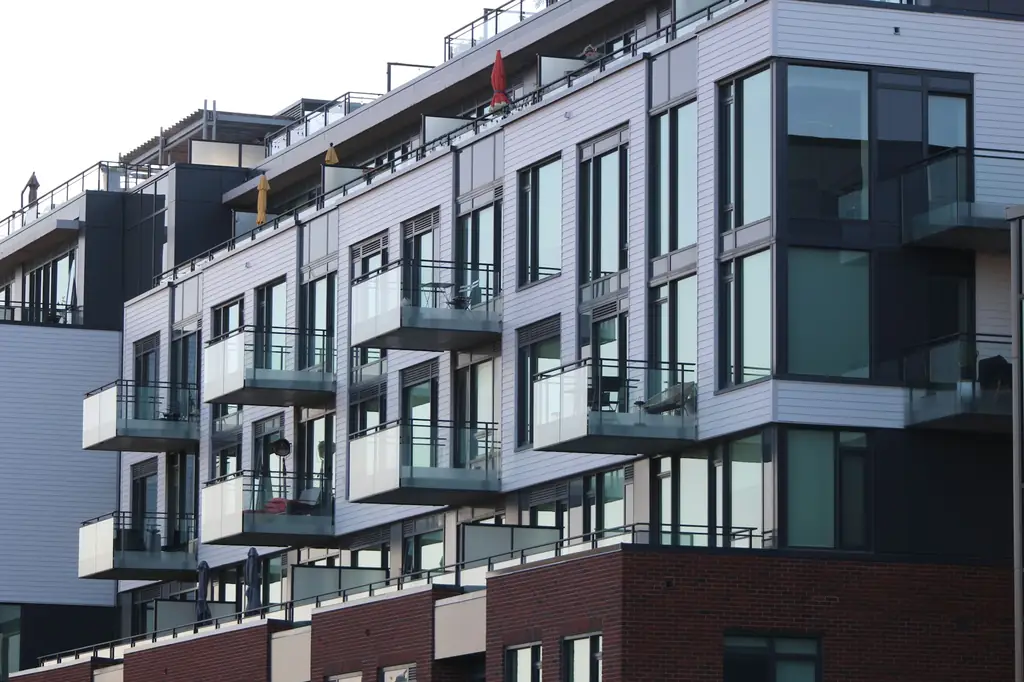
From a side-by-side duplex to a medium-sized apartment building, our multifamily property management keeps units leased, shared spaces in shape and the numbers clean — run by a team that buys and operates rental housing in the metro, too.
A fourplex isn’t four single-family homes. Units share a roof, walls, utilities and sometimes a laundry room — and one vacancy or one unresolved complaint affects everyone else in the building.
We manage duplexes, triplexes and fourplexes along with small and medium-sized apartment buildings across Greater Kansas City. Our team also acquires properties to add housing units to the market, so we look at your building the way an investor does: occupancy, turnover cost, operating expenses and long-term condition.
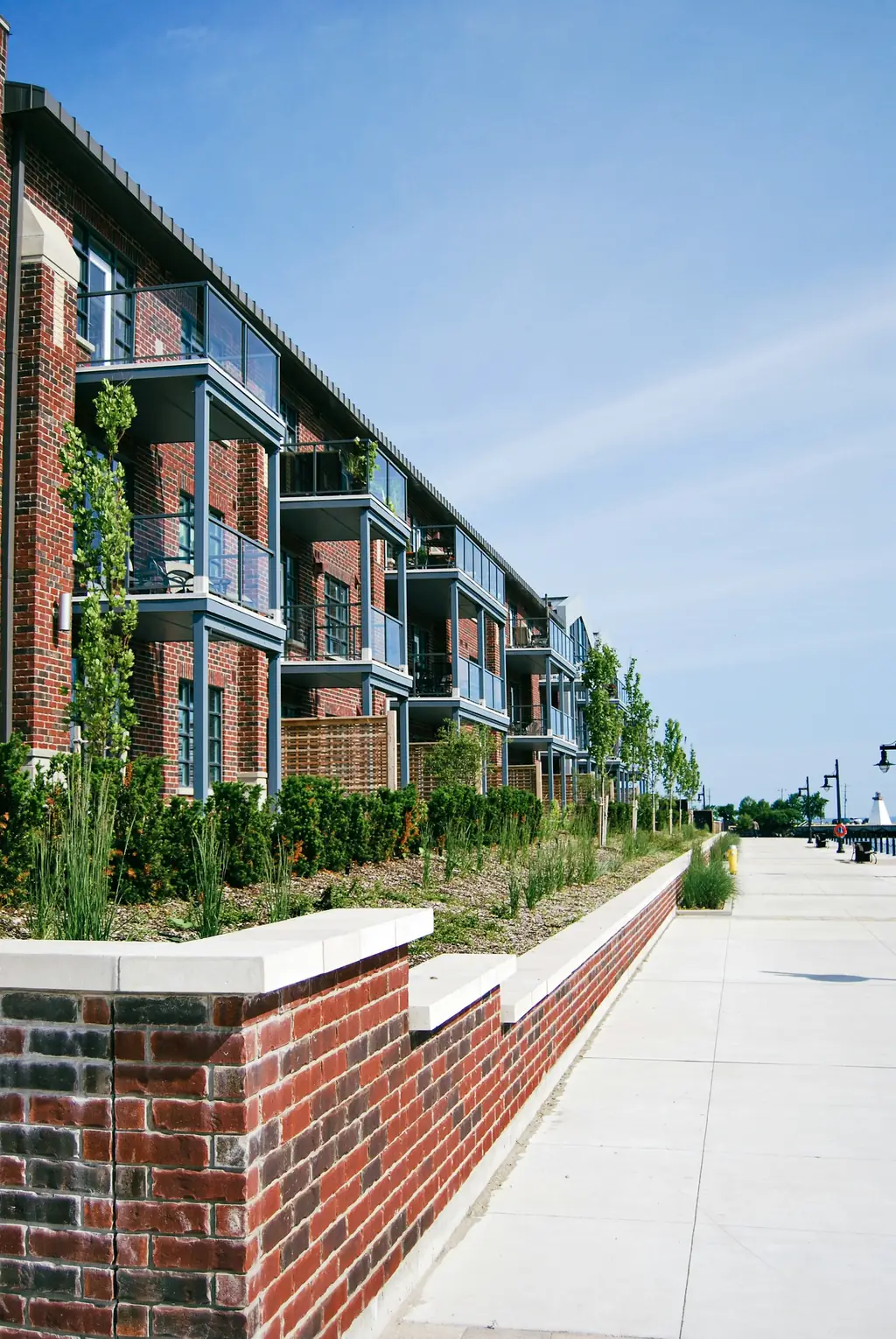 Duplex to mid-size apartments
Multifamily management is repetition done well — the same steps, every unit, every time. Here’s what runs underneath your monthly statement.
Move-out inspection, cleaning and maintenance coordination, an itemized report and the deposit disposition — run the same way for every unit that turns.
DSLR photos and syndication to 17 sites, including Zillow, Trulia, HotPads, Craigslist and the Heartland MLS, plus self-guided tours of vacant units.
Rental marketingEvery adult applicant is screened against the same written criteria — including gross income of at least three times the rent — with adverse-action documentation when someone is declined.
Tenant screeningRoof, HVAC, foundation, windows, wood rot and other structures inspected twice a year, with quarterly exterior photos of the property.
Property inspectionsLong-term vendor relationships deliver below-market repair costs, the savings go to you, and a licensed general contractor on our team scopes the bigger work.
Maintenance & repairsA monthly income and expense summary for the property, every invoice in your owner portal and year-end 1099s, backed by an on-staff business accountant.
Financial reporting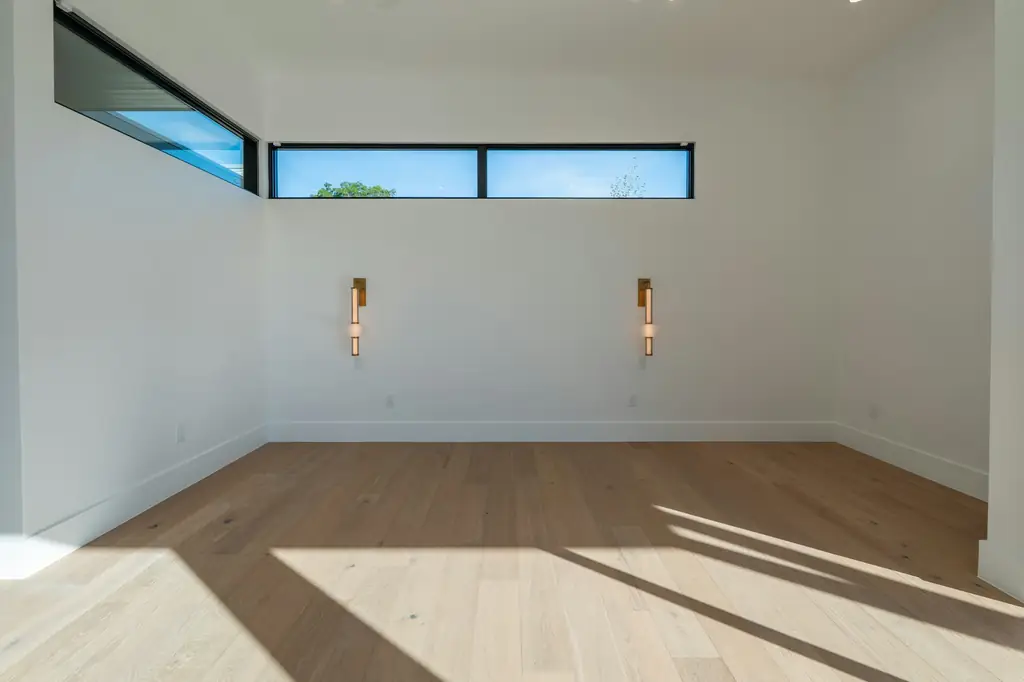
In a building with several units, turnovers aren’t occasional — they’re a recurring operation. We run each one through the same documented process, so the result doesn’t depend on who happens to be working that week, and every vacancy goes back to market with full marketing behind it.
Many buildings change managers with residents in place. Here’s how we move an occupied property onto our systems.
We compare your current rents with the market using local knowledge, analytics tools and historical data, then put every fee in writing.
Existing leases, deposit records and resident contacts move into our integrated software and your owner portal.
Residents get portal access for free online ACH, cash payments at CVS, 7-Eleven and Casey’s, and maintenance requests with photos.
Semi-annual inspections, systematic turnovers, monthly statements and lease renewals with no renewal fee.
Talk through your building with us at 913-229-9040 or send a message.
Duplexes, triplexes, fourplexes and small to medium-sized apartment buildings, on both the Kansas and Missouri sides of Greater Kansas City. We also manage single-family homes, so mixed portfolios can sit with one team.
Each vacancy is priced with local market knowledge, analytics tools and historical data, photographed with a DSLR and syndicated to 17 rental sites, including Zillow, Trulia, Yahoo, Craigslist, HotPads and the Heartland MLS. Vacant units can be toured on a self-guided basis, on the applicant’s schedule.
Every unit follows the same process: move-out inspection, cleaning and maintenance coordination, an itemized report and the security-deposit disposition, then marketing. A turnover fee applies when a new resident must be placed, and it covers that work.
We can talk through the options with you — separate meters, owner-paid utilities, flat charges or a ratio billing system — and what your leases need to say. Whatever you choose must be disclosed to residents and applied consistently.
You receive a monthly income and expense summary for the property, rent deposited directly to your account and a year-end 1099. Leases, inspections, move-in and move-out reports and maintenance invoices are stored in your owner portal and available any time.
No. There are no transaction fees for making or receiving payments, no fee to renew a lease and no added fee to coordinate resident-requested repairs. See pricing for how the listing fee and monthly percentage work.
Yes. Alongside property management, our team acquires properties to add housing units to the Kansas City market. That gives us an owner’s view of what vacancies, repairs and operating costs mean for a building’s returns.
Multifamily management is part of our residential property management service. Building a portfolio? See investor management.
 01 / Service
DSLR photos, 17-site syndication and self-guided tours that fill vacancies faster.
 02 / Service
Free online ACH, cash at CVS, 7-Eleven & Casey's, and a firm, documented late-rent process.
 03 / Service
Direct deposits, monthly statements, year-end 1099s and a 24/7 owner portal.

Request a free rental analysis and a written management proposal for your Kansas City multifamily property within one business day.